Water Softener Installation & Repair
Set up a softener for scale, or revive one that has quit working.
The right filter depends on what you want removed. Bad taste or smell, grit, and particular contaminants each call for a different type.
Begin with the problem; the right filter follows.
 Serving Commerce City, CO
Ask what the visit covers before you approve any work.
Many people buy a filter for the wrong reason. Taste and smell, cloudy water, rusty water and a specific contaminant each call for a different approach.
A lab test for the item that worries you is the best starting point. Your water provider's annual report shows what the utility tests for, and a certified lab can test your tap.
Sediment filters trap sand, rust and silt. Activated carbon filters improve taste and odor and reduce some chemicals. Reverse osmosis systems push water through a membrane for drinking water and remove many dissolved substances. UV units treat microbes.
Each type has upkeep, so ask how often cartridges are swapped and what they cost. An unchanged filter stops working and can even add taste and odor, so mark the replacement dates on a calendar the day it goes in.
Match the filter to what you want removed. Read the water quality report first, and ask the installer which certification the filter carries for that concern. A pitcher, a faucet-mount unit, an under-sink system and a whole-house filter each fit a different need and budget.
Filtration cost depends on the system and the plumbing around it.
Ask how often cartridges change and what they cost before you choose.
The water district publishes an annual water quality report, and its 2026 report is posted on its site. Filtration is a choice for taste, odor and extra assurance, and it does not replace the utility's treatment.
Rust or sediment can appear in older homes after work on the main or once a pipe has been opened. A sediment filter helps, as does flushing the lines.
A whole-house system treats water at the main. It protects fixtures and appliances and improves bathing water. A point-of-use system, such as under the kitchen sink, focuses on drinking and cooking water and costs less.
Many homes use both: a sediment or carbon filter at the main and reverse osmosis at the kitchen tap.
A whole-house filter goes on the main line after the shutoff, with bypass valves so cartridges can be changed without turning off the water for the house. Under-sink units need cold-water supply and a drain for the reject water in reverse osmosis models.
Replace cartridges on schedule. A neglected filter can restrict flow and, in the case of carbon, grow bacteria.
Refrigerators and ice makers with filter lines often have a filter built in. Replace those cartridges as the maker directs.
A shower filter can reduce chlorine odor and is inexpensive, though their effect varies. Ask your plumber what fits your setup.
Filtration is not one product. The right choice depends on what you notice in the water.
Carbon filters reduce chlorine taste and many odors. A whole-house unit treats every tap, while an under-sink filter treats the kitchen.
A sediment filter catches grit and particles. It protects fixtures and appliances.
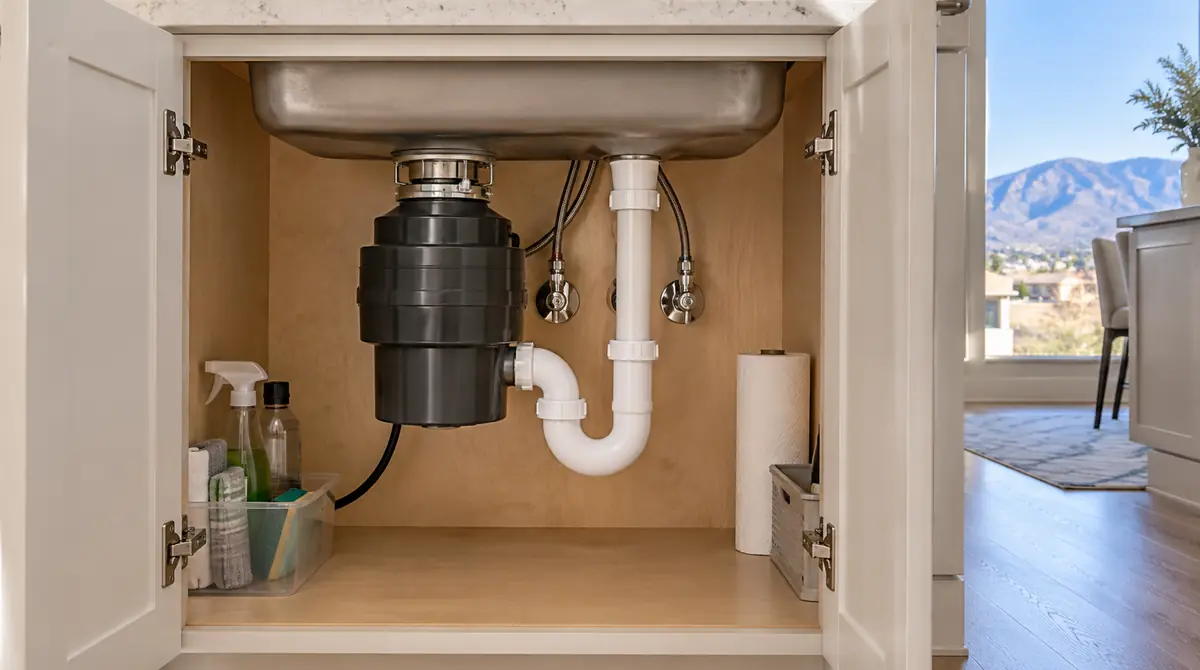
A reverse osmosis unit under the sink treats drinking and cooking water. It needs a drain connection and a faucet hole or an air gap. Your water provider publishes an annual quality report, which is a good starting point.
Each type has upkeep, so ask what to expect.
Set up a softener for scale, or revive one that has quit working.
Swap out a worn tank for a unit sized for your household, fuel and space.
Cure drips, weak streams, stuck stops and dripping outdoor taps.
Often yes. Carbon reduces many tastes and odors, including disinfectant flavor.
For drinking water it can be, as it removes many dissolved substances. It uses extra water and needs a drain.
Follow the maker's schedule, usually every few months to a year depending on type and use.
Yes, if you have a particular concern. A test tells you what to filter and what not to.
Yes, calls are taken at any hour. If the filter housing leaks, close its supply first and then phone. New installations happen in daytime hours.
A whole-house unit treats all water entering the home. An under-sink unit treats one tap, usually for drinking. Many homes use both for different goals.
Under-sink reverse osmosis hookups are a common job. Tell the dispatcher the model and the sink layout so they can confirm.
Call and describe the taste or odor. A plumber can suggest a test, then a filter to match.
Service area centered on Commerce City and nearby Adams County cities.