Slab Leak Detection & Repair
Find and repair a failing pipe under a concrete floor, garage slab or basement floor.
Maybe your bill keeps rising, a ceiling stain has no visible cause, or the meter dial turns with every faucet closed. Detection pinpoints the loss so nobody has to guess where to open a wall. Water spreading as you read this? Phone the 24/7 line now rather than booking a weekday visit.
Describe what you see, and the dispatcher lines up a nearby contractor.
 Serving Commerce City, CO
Ask what the visit covers before you approve any work.
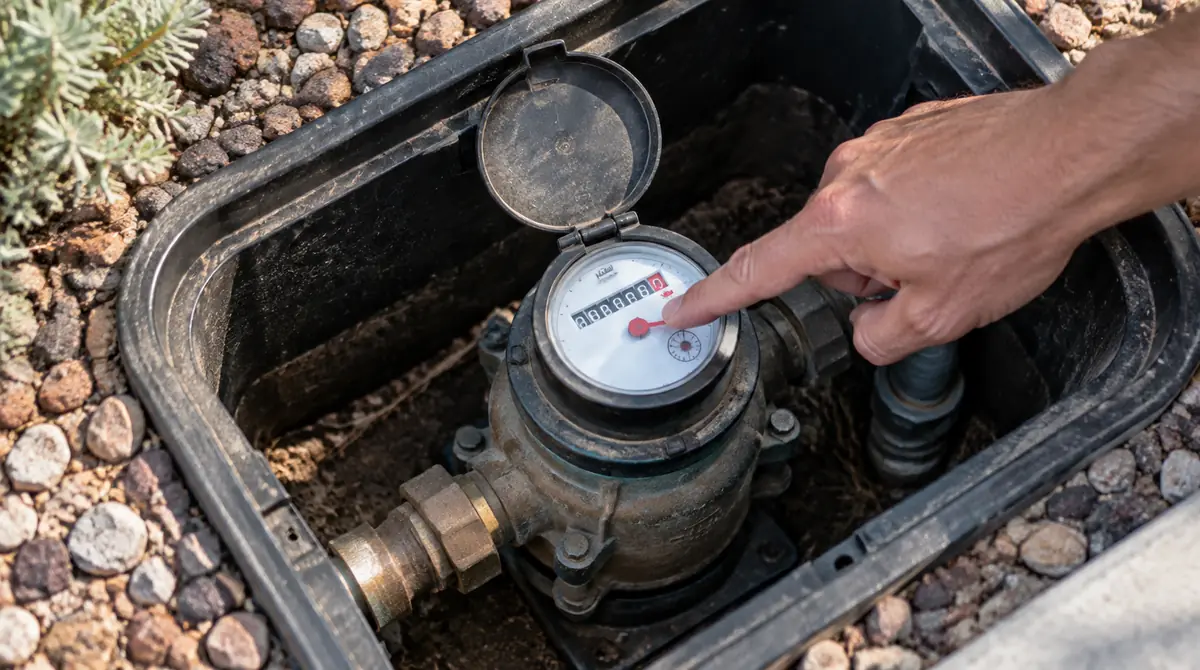
Start at the meter. Shut every tap, the ice maker and the sprinkler controller, then look at the leak indicator on the meter face. It is usually a small triangle or dial. If it moves, water is going somewhere.
Toilets come next. A flapper that has stopped sealing can lose a lot of water silently. Drop some food coloring into the tank, and if the seal is bad the color shows up in the bowl in roughly a quarter of an hour.
If the meter stays still with everything off, the house side is probably fine, and the problem may be a fixture that only leaks when it is used.
A good search works in stages. The plumber closes the main valve and watches the pressure, then closes branch valves one at a time to learn which stretch of pipe is leaking.
When the stretch is identified, the plumber can listen along the pipe with sound equipment, or scan the surface with a thermal camera that shows a cooler or warmer patch where water is escaping. On lines under concrete, pressure testing and tracing do the same job.
The goal is a small opening in the right place instead of a large one in a guessed place.
Plenty of Commerce City homes have a basement or a garage slab, and water lines often pass through or under both. A leak there can run for weeks with nothing more than a damp corner or a faint musty smell to show for it.
The Colorado Geological Survey notes that expansive clay under Front Range communities swells and shrinks with moisture and can disrupt buried pipelines. A line that has been shifting for years can leak at a joint without any single dramatic event. For a suspected leak in the meter pit itself, the water district lists 303-288-2646.
Detection is billed for the time and the method needed to locate the leak, and the repair is quoted separately once the spot is known. These items move the quote.
When one company both finds and fixes the leak, find out if the detection fee gets credited against the repair bill. Practices vary, so have the answer written into the quote.
Common spots include supply lines inside walls, fittings behind a tub, the hose to a washer or ice maker, and the water heater connections. Outdoors, the buried line from the meter and the sprinkler system account for most of the rest.
Telling a drain leak from a supply leak helps. Drains leak only while water is running through them, so a stain that appears after a shower or a wash load likely comes from a drain. A stain that spreads steadily through the day more likely comes from a pressurized supply pipe.
A repair can be as small as a new fitting or as large as a section of pipe. If the pipe is old and fails in several places, the plumber may suggest repiping so you are not paying for the same visit twice.
If water has already soaked a wall or floor, drying comes before any patching. Our water damage page explains what that involves and why mold is a concern after a day or two of dampness.
Give your address, the room where the water appears and how long you have noticed it. Say what the meter is doing and whether you have closed the main valve.
If you have a recent water bill, note how it compares with earlier months. A jump in usage helps a contractor judge how large the leak may be.
Most callers start with a number, either a dial that will not stop or a bill that jumped. Both are good clues, and both can be checked in a few minutes before anyone visits.
Close every tap, pause the sprinkler controller and stop the ice maker. Note the meter reading and the time, wait fifteen minutes and look again. Any movement means water is escaping somewhere.
Next, close the house main and check the dial again after a few minutes. If it stops, the loss is inside the house. If it carries on, the loss is underground, somewhere between the meter and that valve.
Compare the last few bills before you assume the worst. A hot spell, guests or a new landscape can lift use honestly. A steady climb with no change at home is a different story.
A notice from your water provider saying use looks unusual is a prompt to test, not proof of a leak. Run the meter check first, then call if the dial moves.
A soft patch, a strip of greener grass or damp pavement often marks a buried line. Detection narrows the spot so the dig is small. See water line repair for what happens once the pipe is found.
Ten minutes of groundwork shortens the visit and stops a small loss from growing.
Some leaks hide well. A pipe that weeps only under pressure, or one buried deep in a wall, can fool a single method.
A thorough search narrows the area in steps. The plumber isolates sections of the system, listens at the pipe, scans for temperature differences and pressure tests the line. Each step rules out ground until one area is left.
Ask the contractor to mark the spot on the surface and to tell you how confident the reading is. That is a fair request, and a clear answer helps you decide whether to open the floor or wall.
Buildings with several units are tested one zone at a time, so tenants lose water for short periods and the search stays organized. Owners of plazas and multi-unit buildings should share any water authority notices and the age of the plumbing. Commercial plumbing covers larger systems in more depth.
Detection comes first, and cutting comes last. Once the spot is marked, the opening can be small. For floors, see slab leak detection and repair.
Find and repair a failing pipe under a concrete floor, garage slab or basement floor.
Fix or replace the buried supply pipe running from the meter to your home.
Extract water, dry the structure and rebuild after a leak, frozen pipe or basement flood.
Common signs are a meter that keeps moving with everything off, a bill that climbs for no reason, a damp or warm patch, water sounds in a silent house and a musty smell.
Often yes. Pressure tests, acoustic listening and thermal imaging narrow the location so the opening can be small.
If water is actively spreading, yes. Close the main valve and call. A very slow leak can usually wait for a daytime visit, but not for long.
Some policies pay to locate a sudden leak along with the damage it caused, while others pay for neither. Check your policy and ask your insurer first.
Someone picks up around the clock. Describe where the water appears and what the meter dial is doing, shut the main valve if it is within reach, and ask about arrival time while you are on the phone.
Shut off every fixture, note the dial, wait about fifteen minutes and read it again. If the numbers or the small leak indicator move, water is escaping. Close the main inside the house and repeat to learn which side of the valve it is on.
It can be either. Rule out guests, summer watering and new appliances. If nothing changed and the meter test shows movement, a leak is likely.
The search starts at the surface with listening, temperature and pressure checks. Concrete is opened only after the spot is marked, and the opening stays small.
Call again and say what was already tried. A stepwise search often finds what a quick look missed.
Ask for both before the visit starts. A marked spot and a plain statement of accuracy are fair to expect.
Many contractors do both. Ask whether the repair is quoted separately and whether the detection fee is credited.
Shut the main valve if it is within reach, then phone in. Describe what you are seeing and the dispatcher will explain what happens next.
Service area centered on Commerce City and nearby Adams County cities.